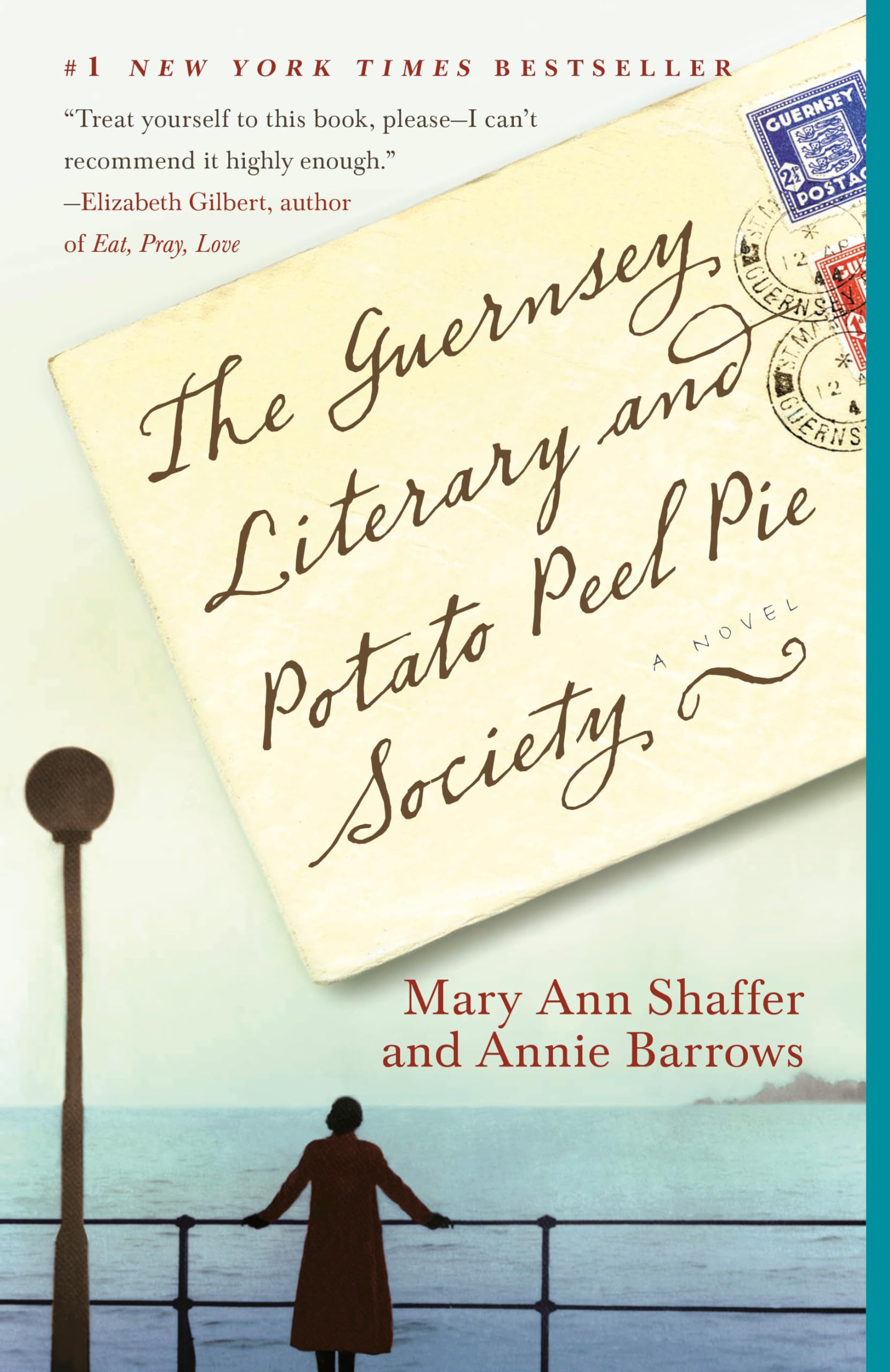
Book No. 9 of 2020
I. LOVED. THIS. BOOK.
It is so DELIGHTFUL! A+ use of epistolary form, demonstrating how you can use the epistolary as a brilliant device for both humor and suspense.
The entire story is a love letter to books and reading and the power of the written word. I kept stopping to highlight lines that were just perfect chef kisses of writing, and I found myself smiling so many times I lost count. The story also dips into genuine moments of heartbreak and tragedy as the characters in the book encounter the horrors and the aftermath of WWII. It’s utterly immersive and written with such depth and insight into the human condition.
Bonus also for teaching me about the German occupation of the English Channel Islands, something I never remotely learned in school. This book was a standout.
Similar Reads
It’s tough to name “similar” books because I’ve never read something quite like this, but I did feel some thematic connections, so here’s what the book reminded me of:
For deeply human and relatable historical fiction that dives into a more hidden chapter of WWII in quasi-epistolary form (as a diary): Kirby Larson’s The Fences Between Us (it’s a Dear America book for kids/YA but it’s so good).
For delightful, genteel writing with undercurrents of tragedy and beautiful human connections: Amor Towles’ A Gentleman in Moscow.
For compelling, immersive stories that teach you about history not typically covered in standard American education: Ken Liu’s The Paper Menagerie, Min Jin Lee’s Pachinko, and Shawna Yang Ryan’s Green Island.