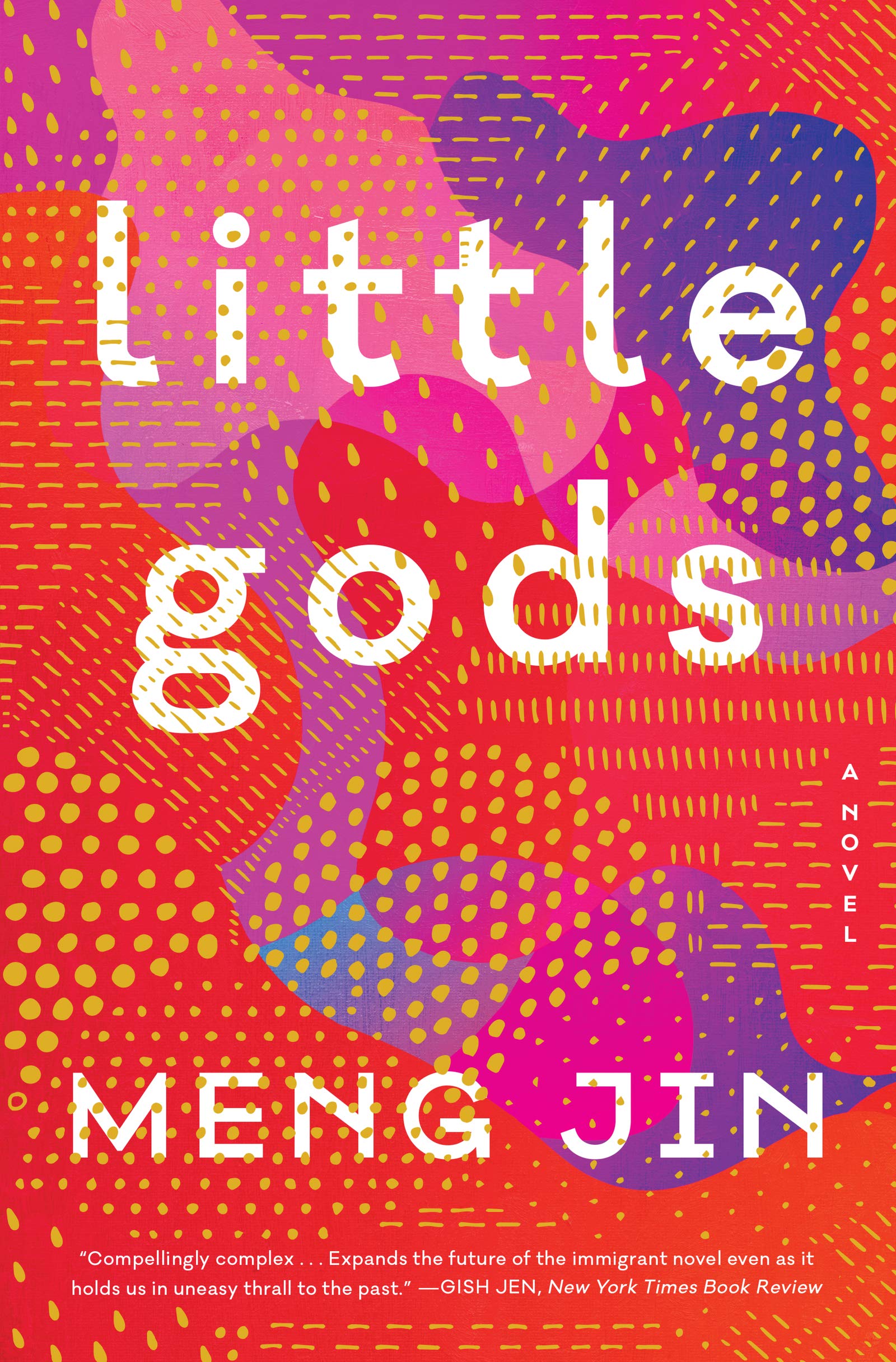
Book No. 14 of 2020
This was an astonishingly good read; Jin’s writing is so beautiful I kept taking photos of passages (a compulsion borne by my habit of reading with a smartphone in hand).
One of Jin’s central characters is a brilliant physicist, and Jin articulates abstract concepts about space and time in ways that quietly blew my mind, and then—and this is a little hard to explain—applies these concepts to the very form of the book. She also weaves themes of identity, family, and love into the story and presents truth as something that we can only understand when we make it subjective.
The story is also a journey through modern Chinese history, with all the nuances of language and dialect and cultural differences within China, with the narrative shifting between beautifully complex characters.
Similar Reads
The most similar book I can think of is Catherine Chung’s The Tenth Muse, which incorporates high-level mathematical concepts and also features a chronically underestimated brilliant woman.
For another book about the subjectivity of truth and the role narrative plays in our lives, I recommend Susan Choi’s Trust Exercise.
For a book that also acknowledges that some resolutions will never come, I recommend R.O. Kwon’s The Incendiaries.
For other books with beautiful writing and similar themes: The Lowland by Jhumpa Lahiri, Pachinko by Min Jin Lee, Stories of Your Life and Others by Ted Chiang.