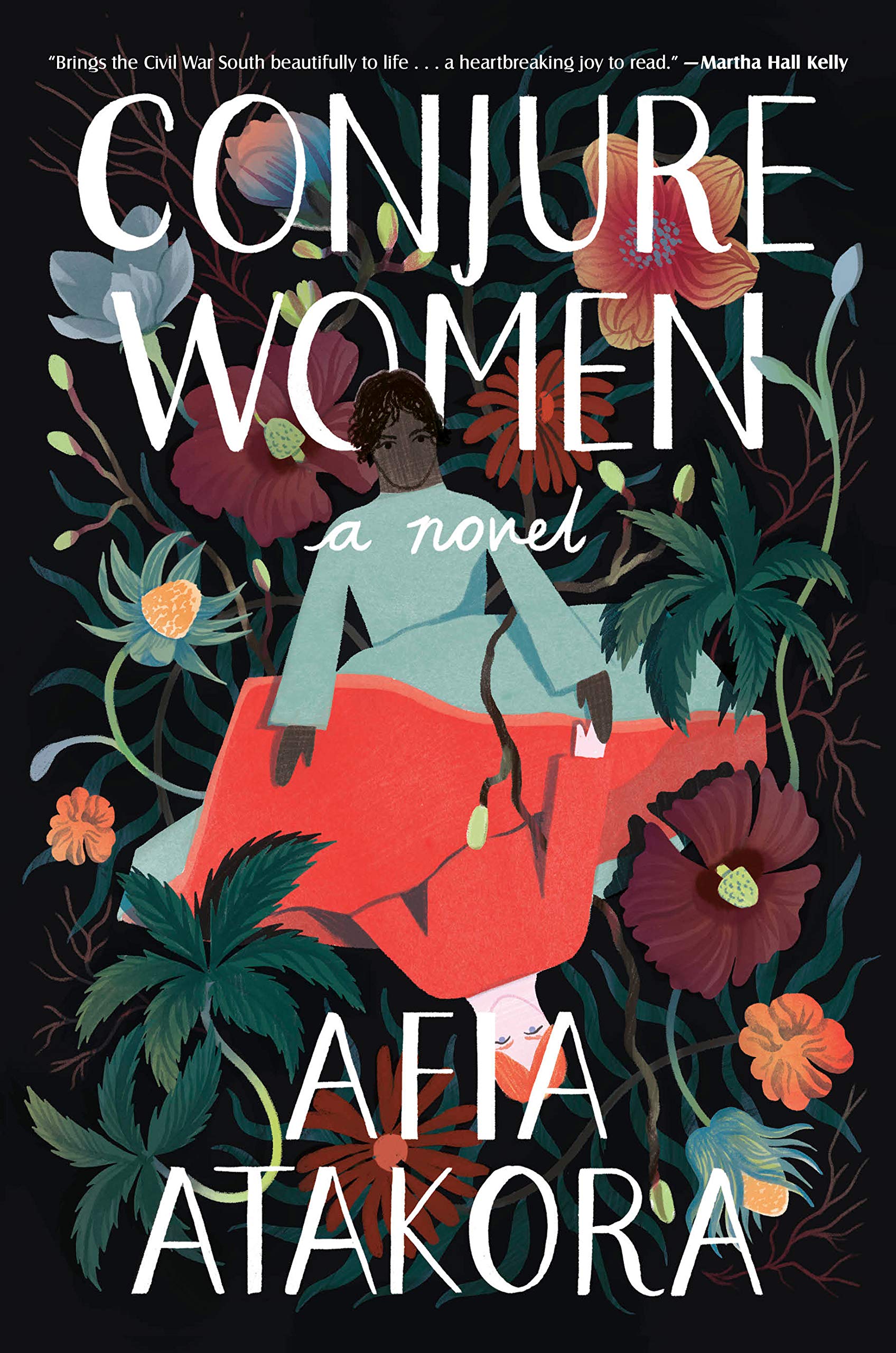
Book No. 25 of 2021
This was a story absolutely overflowing with all sorts of fascinating dichotomies: in addition to the obvious themes of black/white, slavery/freedom, and North/South, there’s also the relationship between faith and healing, power and shame, truth and superstition, etc. There’s so much complexity at play here that fleshes out a twisty, at times dark story.
The topic of healing was both a thematic through line and compelling food for thought: the role of herbal remedies and women’s labor as a cost-effective way to maintain and grow a labor force (which in the system of slavery is straight-up property) has a lot of uncomfortable parallels with the modern-day wellness industry under capitalism. Likewise, the overlap between the withholding of “white medicine” and female needs/shame raises a lot of questions about what problems we consider worthy of dignity.
On top of all this the novel also covers a LOT of ground fleshing out all sorts of issues whose ossified tentacles are still embedded in modern culture and economics: the everyday aspects of slavery (with all its hierarchies) and the scattering of families; the cold financial aspects of treating human beings as property (and how all that southern wealth was built, grown, and transferred); blackface and the commodification of Black expression for white entertainment; how the Civil War upended, well, everything; how the KKK got started; the appeal of a certain flavor of spiritual gathering; the power and powerlessness of white women in a system of stark inequity; the aforementioned themes of healing and medicine, and so much more.
Similar Reads
This reminded me of two other reads that contextualize slavery: Underground Railroad by Colson Whitehead and Washington Black by Esi Edugyan.
The theme of passing (and colorism’s strong hold even in an insular community) reminded me very strongly of Brit Bennett’s The Vanishing Half.
The theme about the value of herbal healing reminds me of Karla Cornejo Villavicencio’s The Undocumented Americans.