Book No. 17 of 2020
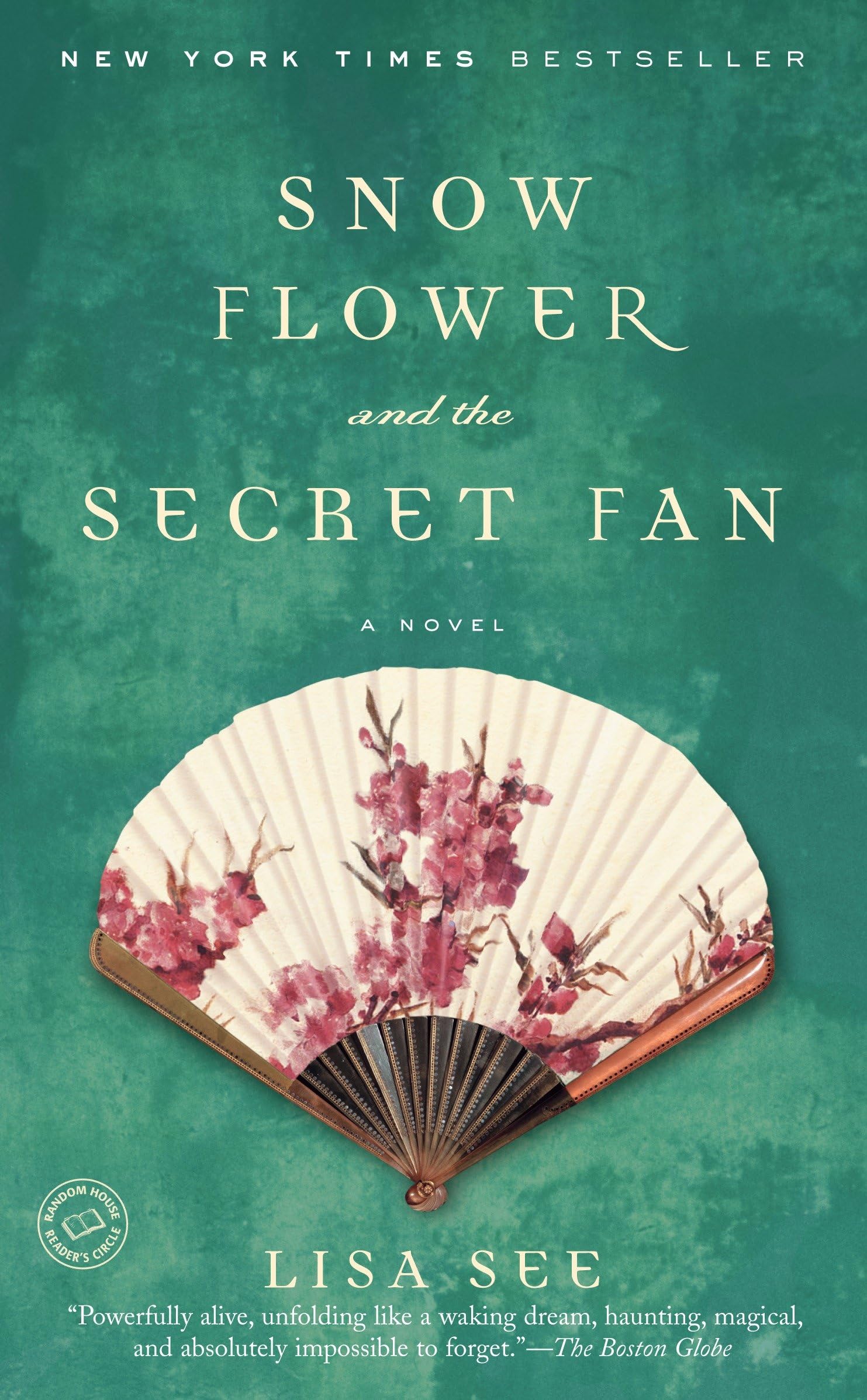
This book was a bit of a random choice for me; I went on an ebook-checking-out binge this weekend and started this spontaneously while riding the metro. I found it an enjoyable read, with strong themes about the complexity of female friendship. One thing I appreciated was See’s choice not to impose different cultural values on her characters (which authors and screenwriters often do to make their female characters relatable and to take the sting out of a story dominated by patriarchal values).
The thing that continually distracted me throughout the story, and which made this a very conflicting read for me, was the realization that our expectations for “cultural” writing in American literature has shifted in the past decade. (In other words, this is not something I hold the author responsible for, its more of an observation of how things have changed.) This book was published in 2005, and like other books of that era that focus on Asian culture, names are presented as translations instead of how they would be spoken, and non-English terms are italicized. The overall effect is that of this culture being considered “other,” with the presumption that the authentic elements of the story will seem strange and exotic to the reader. (An equivalent example in English would be having characters named “Winner of Battle” and “Sea and Sun” instead of Victor and Marisol, and italicizing words like “croissant” and “moccasins” in a story that takes place in America.) This was a huge contrast from Meng Jin’s Little Gods, a recent read in which characters’ names were presented as they would be spoken in Chinese, and Chinese terms were not italicized and in fact sometimes written as Chinese characters.
Again, this is not remotely a slight on the author—merely a reflection on how spoiled we have been by how an increasingly inclusive generation of writers has expanded a formerly narrow definition of what is considered normal, and how this progress makes books written just over a decade ago seem like they’re from a different era.
Similar Reads
This book reminded me of Arthur Golden’s Memoirs of a Geisha in too many ways to list.
For another book on a protagonist atoning for their sins against a cherished childhood friend, check out Khaled Hosseini’s The Kite Runner.
For another story about complex female friendship, check out Elena Ferrante’s Neapolitan novels, starting with My Brilliant Friend.
For an article on how language is used to enforce cultural dominance, look up Khairani Barokka’s “The Case Against Italicizing “Foreign” Words” on Catapult.